- Brain Beats
- Posts
- THIS WEEK: Template vs custom e-commerce websites
THIS WEEK: Template vs custom e-commerce websites
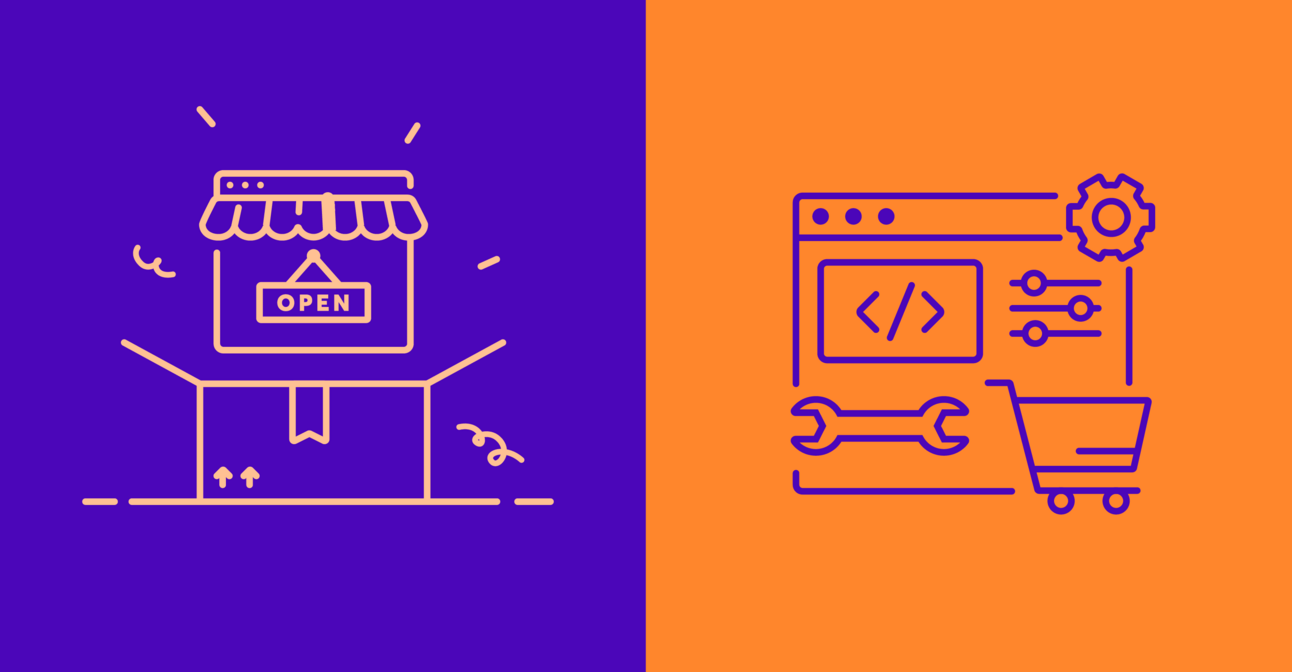
E-COMMERCE
Starting an e-commerce business is an exciting journey, and one of the first decisions you’ll face is whether to use a template or create a custom website. This choice can have a big impact on your success and growth, so it’s important to choose the option that best suits your needs. Let’s dive into what you should consider to make the right decision for you.
Type, timeline, and budget
Your business type and budget are key factors in this decision. If you’re running a smaller, niche business, an affordable themed template from platforms like Shopify or WooCommerce could be just what you need. These templates are quick to set up, allowing you to launch your site within days. The costs are usually lower, with basic Shopify plans ranging from €28 to €78 per month, and more advanced options going up to €384 per month.
However, if you’re running a larger business with more complex requirements, you might find that a custom website is worth the investment. While it can take several months to develop and cost between €4,000 to €24,000, this option gives you a platform that’s tailored specifically to your needs, which can significantly enhance user experience and build brand loyalty.
Level of customisation
Template websites come with a range of features and functionalities that are easy to adjust. You’ll likely find that these templates offer enough flexibility to meet your needs without requiring extensive technical knowledge. But be careful: adding too many apps can slow down your website, which isn’t great for user experience.
On the other hand, if you opt for a custom website, you’ll have unlimited customisation options without sacrificing speed or functionality. You can integrate as many features as you need, and with a dedicated team of developers, you can ensure everything runs smoothly. This level of customisation can create a unique user experience that sets you apart from your competitors.
Maintenance
Keeping your e-commerce website up and running is an ongoing process. Template websites are generally easy to manage, with user-friendly dashboards that let you make updates and fixes without needing to be a tech expert. However, for more complex changes, you might still need some professional help.
If you go for a custom website, you’ll have dedicated support from your development team. This means quicker resolution of issues and continuous optimisation to keep your site performing at its best. With professional maintenance, potential problems are often identified and addressed before they can impact your business.
Summary
When deciding between a template and a custom e-commerce website, it really comes down to what you need, what you can afford, and how much you’re planning to grow. Templates are great for smaller businesses looking for a quick and cost-effective solution, but they do come with some limitations in terms of scalability and customisation.
If you’re aiming for significant growth and need extensive features, a custom website might be the better choice. Although it requires a higher initial investment, it can pay off in the long run by delivering unique user experiences and robust support.
Remember, the success of your e-commerce business relies heavily on how well your website performs and meets your customers’ needs. Choose wisely, so your platform helps you reach your goals and delivers an exceptional experience for your customers.
About this newsletter
As passionate small business owners, we share effective strategies straight from our own experiences. Stuff we usually share:
Proven growth tactics: Practical steps to boost your team, revenue, and impact.
Winning marketing strategies: Tips to get your product to market and outshine competitors.
Insider insights: Secrets from successful businesses in your niche.
Exclusive perks: Access to valuable tools and resources for subscribers only.